
Opendoor vs a Local Bay Area Cash Buyer
By Lawrence Irby, Bay Area House Buyers. Buying Bay Area homes since 2003. Updated November 2026.
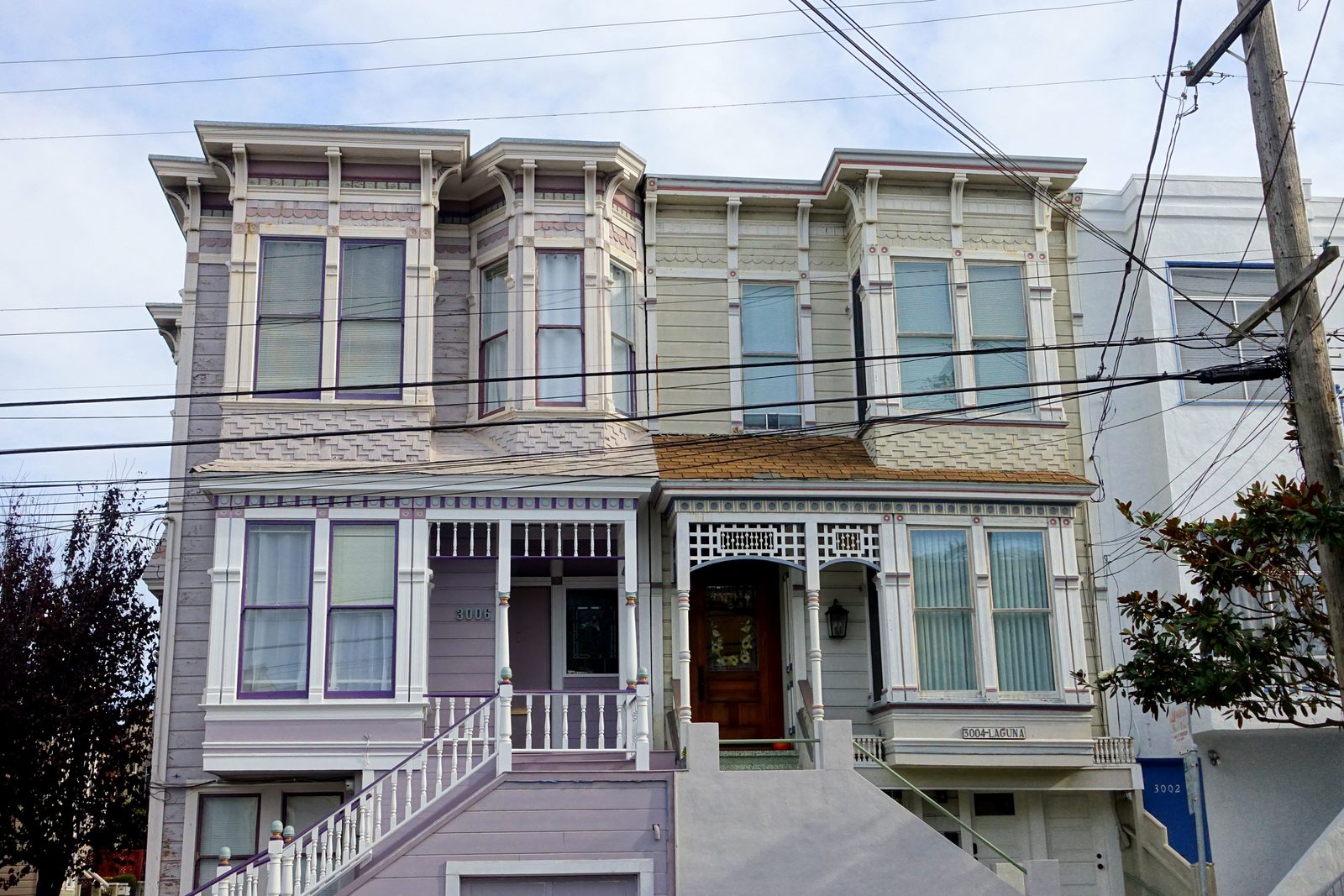
If you’re choosing between Opendoor vs a cash home buyer in the Bay Area, neither is automatically better. It depends on your house, your timeline, and what you actually net after fees and repairs.
You’re really comparing two different ways of getting a cash offer: a national iBuyer that prices homes with data and online tools, and a local buyer who walks the property and makes an offer based on what they see. Both can make sense.
We’ve been buying houses in California since 2003, so we’re obviously one of the “local cash buyer” options. We’ll do our best to be fair here. Everything we say about Opendoor comes from Opendoor’s own website as of November 2026, with links, and policies can change, so please check their current terms and your own offer before deciding.
How Each One Works
Opendoor is a national company that makes cash offers on homes online. You answer questions about the house, share photos or complete an assessment, and get an offer. Opendoor has an SF Bay Area page, and its help center says it buys single-family homes across the lower 48 states, with eligibility depending on your exact address, property type, and condition (as of November 2026).
A local cash buyer like us is usually a smaller company or individual investor. With us, you talk to Lawrence directly, we look at the house in person, and we make an offer based on comparable sales, our estimate of the work the house needs, and our holding and resale costs. We’ll walk you through those numbers if you ask.

Fees: What Comes Out of Your Offer
As of November 2026, Opendoor’s help center explains that its offer breakdown has three main deductions from the estimated amount: a service charge, a condition adjustment for repairs, and estimated closing costs. Opendoor says it does not publish a fixed service charge percentage; the dollar amount shows up in your own offer breakdown. Its “Cash Now, More Later” option has a variable service charge based on how much cash you take up front.
With us, there’s no service charge or commission line. We cover typical closing costs, including county and city transfer taxes, and we spell that out in writing in the offer. Our profit is built into the price we offer, which is why we explain how we got to the number.
The honest takeaway: headline offers aren’t comparable until you look at the net. Ask every buyer for the number you’d actually receive after all fees, repairs, and closing costs.
Repairs and Condition
Opendoor says that after its assessment it may estimate repair costs and deduct them as a condition adjustment. Its help center also lists conditions that may make a home ineligible, such as major structural damage, serious foundation issues, and extensive fire, water, or mold damage (what types of homes Opendoor buys, as of November 2026). It doesn’t buy mobile or manufactured homes, vacant land, or buildings with five or more units.
We buy houses as-is, including fixers, houses with major deferred maintenance, and fire-damaged homes. Once we’ve made an offer, we don’t renegotiate over small or expected findings. If something significant and unknown comes up, we’ll talk about it openly.
Timeline
Opendoor’s help center describes a regular cash offer as closing in as few as 21 days, or up to 60 days out, and notes that choosing a closing date more than 30 days after signing may include an extended closing fee (as of November 2026). Other Opendoor pages mention different minimums, so confirm the dates in your own contract.
We can often close in as little as 7 days once the paperwork is in order, or on a later date that fits your move. Probate, title problems, or a lender payoff can add time, and we’ll tell you if we expect that.
Tenants, Solar, and Other Complications
Opendoor’s help center says it generally requires a tenant-occupied home to be vacant at closing, and that leased, financed, or PPA solar systems generally need to be paid off or bought out by closing (as of November 2026).
With us, tenants in place and leased solar are case by case. Sometimes we can buy with them in place; sometimes we can’t. We’ll tell you plainly either way. We’ve also bought more than 100 inherited and probate homes, and out-of-state heirs can sell without coming to California.
Side-by-Side Summary
| Opendoor (per its site, Nov 2026) | Bay Area House Buyers | |
|---|---|---|
| Fees | Service charge varies, shown in your offer | No commission or service fee; we cover typical closing costs |
| Repairs | Estimated and deducted after assessment | Bought as-is; repairs factored into the offer |
| Closing | About 21 to 60 days; fee may apply past 30 days | Often as little as 7 days once paperwork is in order |
| Condition limits | Major structural, foundation, fire, or mold damage may not qualify | Fixers and fire-damaged homes considered |
| Tenants | Generally must be vacant at closing | Case by case |
| Who you talk to | Online dashboard and advisors | Lawrence, directly |
How to Compare Offers Fairly
- Get both offers in writing, with every fee and deduction listed.
- Compare the net, not the headline price. Our seller closing costs guide explains what typically comes out of a sale.
- Ask when the number can change. Opendoor notes its final offer can differ from its preliminary one after the assessment. Ask any buyer what could change the price before closing.
- Check that the buyer is the actual buyer. We close on every property ourselves and provide proof of funds with the offer. Our list of questions to ask a cash home buyer helps here.
When a Cash Sale Isn’t the Best Option
If your house is in good condition and you have time, listing with a good agent will often net the most, especially in a competitive Bay Area neighborhood where buyers still bid. Our cash offer vs. listing comparison shows how to run those numbers. And if your home is newer, move-in ready, and fits Opendoor’s criteria, its offer is worth getting as a comparison too. A local cash sale tends to make the most sense when the house needs real work, has tenants or title issues, is inherited, or when timing and certainty matter more than squeezing out the top price.
Frequently Asked Questions
It depends on the house. Opendoor focuses on homes that fit its buying criteria and deducts a service charge and repair costs. A local cash buyer may be more flexible on condition, tenants, and timing. Compare written net offers side by side.
As of November 2026, Opendoor says it does not publish a fixed service charge percentage. The amount appears in your offer breakdown, along with estimated repair and closing costs.
Opendoor deducts estimated repairs from its offer, but its help center says homes with major structural damage, serious foundation problems, or extensive fire, water, or mold damage may not qualify.
Many can close faster than a traditional sale. We can often close in as little as 7 days once the paperwork is in order, but title, probate, or loan payoffs can add time.
Yes. There’s no obligation with either until you sign a contract. Getting two or three written offers is a smart way to see your real options.
Compare Your Options
If you’re deciding between Opendoor, a listing, and a local cash sale, we’re happy to give you a free, no-obligation cash offer so you have one more real number to compare. No pressure either way. Call Lawrence at (510) 824-8710 or fill out the form below.