
Not Enough Equity to Sell Your House? Your Options in the Bay Area
By Lawrence Irby, Bay Area House Buyers. Buying Bay Area homes since 2003. Updated November 2026.
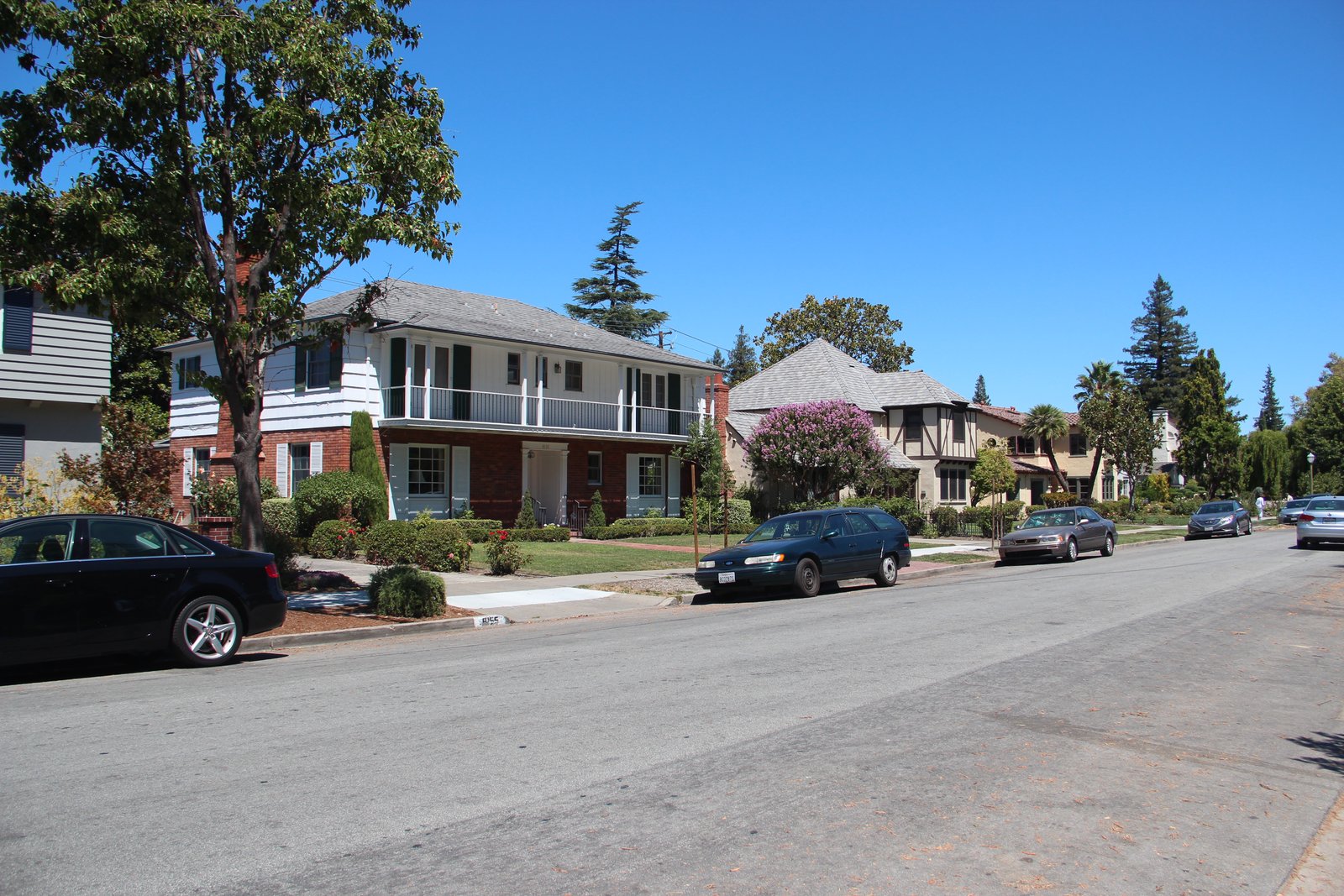
If you don’t have enough equity to sell your house, you can often still sell. Common paths include lowering your selling costs, bringing cash to closing, waiting until you have more equity, or asking your lender about options like a short sale.
It usually happens when the loan balance is close to what the house would sell for, and the costs of selling (commissions, closing costs, repairs) would eat up the rest or more. It’s a stressful spot, but you usually have more options than it first seems.
We’ve been buying houses in California since 2003, and we talk with homeowners in this situation regularly. We’re not attorneys, lenders, or tax advisors, and every loan is different, so please run your situation by a HUD-approved housing counselor, a real estate attorney, or your lender. Here’s a plain-English overview.
First, Run the Real Numbers
Before deciding anything, figure out what you’d actually net. A simple seller net sheet looks like this:
Likely sale price minus your loan payoff (plus any second loan or HELOC) minus commissions, if you use agents minus seller closing costs like escrow, title, and transfer taxes minus repairs or credits to the buyer = what you’d receive, or what you’d need to bring to closing
Ask your lender for a payoff statement, not just your monthly statement balance, because the payoff includes interest and fees. Our guide on selling a house with a mortgage explains how payoffs work at closing.
If you also have delinquent property taxes, those typically have to be paid at closing too, so include them in the net sheet.
Many people find the gap is smaller than they feared once they see real numbers. Others find it’s bigger. Either way, you can plan from there.
Option 1: Lower Your Selling Costs
Selling costs are often what turns a small equity cushion into a shortfall. A few ways to shrink them:
- Negotiate commissions. The California Department of Real Estate says commissions are fully negotiable under California law. It’s fair to talk with agents about their fee and services.
- Limit repairs. Sell as-is or offer a credit instead of paying for big projects up front.
- Sell directly to a buyer. With a direct sale to us, there’s no commission, and we cover typical closing costs. Whether that leaves you money at closing still depends on your loan payoff and our offer, so we’ll show you the numbers in writing before you decide.
Option 2: Bring Cash to Closing or Wait
If the shortfall is modest, some owners bring cash to closing to cover the difference and move on. Others decide to wait, keep making payments, and let the loan balance come down. If you can afford the house, waiting can be a reasonable choice. If you’re already behind on payments, waiting gets riskier. Our guide on selling a house during foreclosure in California covers what a notice of default means and what options you may still have.
Option 3: Talk to Your Lender
If you’re struggling with payments, call your servicer early. Lenders may offer a loan modification, forbearance, or a repayment plan. If you owe more than the house is worth and need to sell, your lender may consider a short sale, where it agrees to accept less than the full payoff. Short sales need lender approval, can take time, and affect your credit. Ask an attorney about whether the lender could pursue any remaining balance and ask a CPA about tax effects. Our short sale vs. foreclosure guide compares the two.

Option 4: Can a Buyer Assume My Mortgage?
Sometimes. An assumption means a buyer formally takes over your loan with the lender’s approval. Some government-backed loans, such as FHA loans, can be assumable if the buyer qualifies. Even then, HUD’s guidance says the seller isn’t released from liability until the lender approves the buyer and issues a formal release (HUD 4155.1, Chapter 7). Many other loans aren’t assumable at all. Ask your servicer what your specific loan allows.
“Someone Wants to Take Over My Payments.” What Are the Risks?
You may hear from someone offering to “take over” your mortgage payments while the loan stays in your name. This is sometimes called buying “subject to” the existing loan. Please be careful and get independent legal advice before agreeing to anything like this:
- The loan stays in your name. If payments stop, it’s your credit and your loan that suffer, even though you no longer own the house.
- The lender may call the loan due. Many loans include a due-on-sale clause, and federal law generally allows lenders to enforce those clauses when a property is transferred (12 U.S.C. 1701j-3).
- Your liability doesn’t go away just because you signed a deed. Without a formal release from your lender, you remain responsible for the loan.
Free help is available from HUD-approved housing counselors.
How We Help
When we buy a house, we’re the actual buyer, and we close through a licensed title company. Your loan is paid off from the sale at closing, the same as any sale. We provide proof of funds with the offer, charge no commissions, and cover typical closing costs. We’ll be upfront if our number doesn’t solve the gap, and we’ll tell you if another path looks better for you.
When a Cash Sale Isn’t the Best Option
If your house is in good shape and the market in your neighborhood is strong, listing with an agent may bring a higher price that closes the gap on its own. If you can comfortably afford the payments, waiting a while may also make sense. And if you’re well underwater, a short sale or a conversation with your lender may be the better first step. A direct cash sale tends to help most when the house needs work that would cost money you don’t have, or when timing matters.
Frequently Asked Questions
You may need to bring cash to closing, lower your selling costs, wait until you have more equity, or ask your lender about options like a short sale. Start by getting a payoff statement and running a net sheet.
Usually, unless the lender agrees to a short sale. The loan has to be paid off for the buyer to get clear title, so any shortfall has to be covered somehow.
Some loans can be formally assumed with lender approval. Informal arrangements where the loan stays in your name carry real risks, including the lender calling the loan due. Talk to an attorney first.
Not automatically. For FHA loans, HUD’s guidance says the seller stays liable until the lender approves the buyer and issues a release. Ask your lender how it works for your loan.
Sometimes. Skipping commissions and repairs can help close a small gap, but it depends on your payoff and the offer. A trustworthy buyer will show you the numbers in writing.
Let’s Look at Your Numbers
If you’re worried you can’t afford to sell, we’re happy to look at your situation and give you a free, no-obligation cash offer so you can see what you’d actually net. No pressure, and we’ll be honest if another option fits better. Call Lawrence at (510) 824-8710 or fill out the form below.