
How to Sell a Tenant-Occupied Property in California
You can generally sell a California property while tenants still live there. The important distinction: selling the property does not automatically end the tenancy or erase the tenant’s rights. The lease, payment history, applicable laws, and buyer’s plans all affect the transaction.

If you want to stop being a landlord, start by comparing an occupied sale with the cost and uncertainty of waiting for lawful vacancy. You do not need to assume the tenant must leave before you can explore offers.
This guide provides general information, not legal or tax advice. Have a qualified California landlord-tenant attorney review your circumstances before serving notices, negotiating a move-out, or promising vacant possession.
Start with the tenancy, not the closing date
Before marketing the property, assemble a clear picture of who lives there and under what terms:
- Fixed-term lease: Record the expiration date, renewal provisions, and amendments. Do not assume a sale cancels the remaining term.
- Month-to-month tenancy: Identify when occupancy began and which protections apply. Month-to-month does not mean you can require a move-out simply because you want to sell.
- Subsidized housing: Gather voucher, housing-assistance, and agency documents. Program requirements may affect ownership changes and communication.
- Other arrangements: Document oral agreements, additional occupants, rent concessions, and disputed terms rather than guessing how they will be treated.
California’s Tenant Protection Act provisions in Civil Code section 1946.2 establish just-cause requirements for covered tenancies, with exceptions and additional conditions. Local protections may also apply. A lease expiration date or a buyer’s desire to move in is not, by itself, a reliable vacancy plan.
The Department of Real Estate’s California landlord-tenant guide is a useful starting point for understanding rental agreements and responsibilities.
Four practical ways to approach the sale
Occupancy and marketing are separate decisions. You can list an occupied rental, and a direct buyer may still require vacancy. Compare the actual terms, not just the label attached to the offer.
1. Sell with the tenants in place
Look for buyers willing to evaluate the existing rental arrangement. An investor will typically consider the current rent, expenses, property condition, lease terms, and local restrictions—not just the home’s potential resale price.
An occupied sale can avoid a turnover period before closing. However, not every buyer accepts every tenancy. Make sure the written agreement clearly addresses occupancy at closing rather than relying on a verbal assurance that the buyer will “handle it.”
2. Wait for lawful vacancy
If a tenant independently plans to move, waiting may make inspections, repairs, and marketing easier. A vacant home may appeal to buyers who want to live there themselves.
Balance that possibility against lost rent, carrying costs, and uncertain timing. Do not sign a contract requiring vacant possession until your attorney has assessed whether that commitment is realistic and lawful.
3. Explore a voluntary move-out agreement
Some owners and tenants agree to a paid, voluntary move-out. The tenant must be free to decline, and local disclosure, filing, or other requirements may apply.
This is an option to evaluate with counsel, not a shortcut around tenant protections. For the negotiation-specific discussion, see our California cash-for-keys guide. This article focuses on the sale decision itself.
4. Compare a traditional listing with a direct as-is sale
A listing can expose the property to more buyers and may produce a higher price. Ask an agent experienced in occupied rentals about likely buyers, access arrangements, and realistic pricing with the existing tenancy.
A direct sale may reduce marketing activity and eliminate pre-sale renovation work required by that buyer. It may also bring a lower offer. For the broader service overview, see selling a rental property as-is.
Selling occupied versus vacant: compare net results
Neither approach is automatically better. Build two estimates using the same property and realistic assumptions.
| Factor | Selling occupied | Selling after lawful vacancy |
|---|---|---|
| Buyer pool | Buyers accepting the existing tenancy | May include more owner-occupants |
| Income | Rent may continue, subject to actual payment | No rent during the vacant period |
| Preparation | Access and work require coordination | Easier access, but repairs and cleanup may cost money |
| Timing | Depends on buyer acceptance and due diligence | Also depends on when lawful vacancy occurs |
| Main uncertainty | Tenancy terms, records, and buyer conditions | Vacancy timing, carrying costs, and eventual sale price |
Compare estimated proceeds after loan payoffs, transaction expenses, repairs, holding costs, and any applicable move-out costs. A higher headline offer is not necessarily the better net outcome. Ask a tax professional about rental-sale tax consequences before deciding how much money will remain available to you.
Plan showings without treating the rental as vacant
Give tenants a clear explanation of the proposed sale and a reliable contact person. Discuss practical scheduling preferences, pets, and who will attend visits. Communication helps, but an informal conversation does not replace legally required notice.

California Civil Code section 1954 permits entry for specified purposes, including showing a unit to prospective purchasers, while restricting timing and notice and prohibiting harassment. Its notice rules include conditions and exceptions; “24 hours” is not blanket permission to enter whenever you choose.
Ask counsel or your property manager to confirm the applicable access process. Coordinate photography separately, respect personal belongings, and avoid publishing identifying tenant information. If access is disputed, get advice rather than forcing entry or promising unrestricted inspections to a buyer.
Prepare a buyer-ready document folder
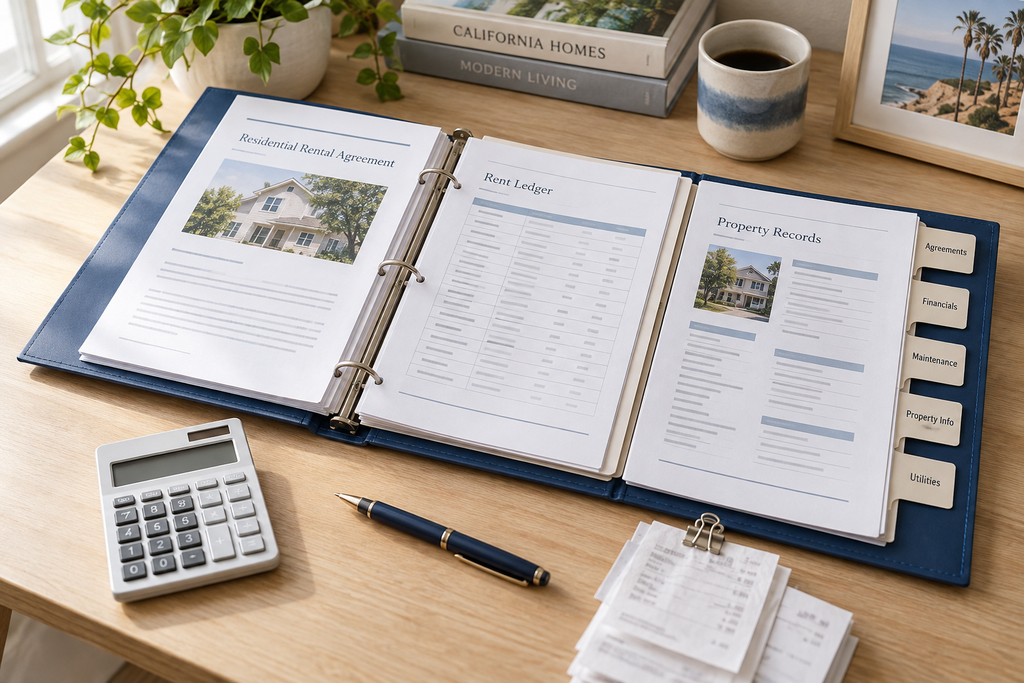
Organized records help buyers evaluate what they are purchasing and reduce repeated requests during escrow. Gather:
- Rental agreements: Signed leases, amendments, renewals, and written side agreements.
- Rent records: Current rent roll, payment ledger, arrears, concessions, and prepaid rent.
- Security deposits: Amounts held, receipts, deductions already made, and relevant accounting.
- Communications: Notices, move-out agreements, disputes, and pending proceedings.
- Property records: Known defects, repair history, inspection reports, and open code issues.
- Local compliance records: Rental registrations, required disclosures, and agency correspondence.
- Subsidy documents: Assistance contracts and housing-agency contact information, if applicable.
- Sale logistics: Ownership information, management agreements, utility arrangements, and proposed access procedures.
Share sensitive tenant records securely and only as needed. Disclose unresolved issues accurately; do not describe contested rent as settled or an expected move-out as guaranteed.
Before closing, have escrow and counsel confirm deposit handling, rent prorations, document delivery, and required ownership or payment notices. A cash purchase does not make those details disappear.
Check the rules for the property’s actual location
A California-wide overview cannot resolve a specific tenancy. Start with the city where the property sits, not a nearby city or the mailing address alone.
For Bay Area properties, useful official starting points include the San Francisco Rent Board, Oakland’s Rent Adjustment Program resources for owners, and the Berkeley Rent Board. Other cities and unincorporated county areas require their own checks.
Ask counsel which rent, just-cause, registration, relocation, and buyout rules apply to this unit. Do not assume a single-family house is exempt from every tenant protection.
Questions to ask before accepting an offer
A buyer’s willingness to discuss tenants is not the same as a contractual commitment to buy occupied. Ask:
- Will you purchase with the current tenants and rental terms in place?
- Does your offer require vacancy, a move-out agreement, or rent collection first?
- What inspections, records, and access do you need?
- What conditions let you cancel or change the price?
- Are you the purchasing party, and can you provide proof of funds?
- Who handles deposits, prepaid rent, notices, and the management handoff?
- Which costs are mine, and what happens if closing is delayed?
Get material answers in writing. Our questions to ask a cash home buyer covers the wider buyer-verification checklist.
Frequently asked questions
Do tenants have to leave when a rental is sold?
Not automatically. An ordinary sale generally does not terminate an existing tenancy. Review the lease and applicable protections before making any representation about possession.
Can I sell if a tenant owes rent?
You may find a buyer willing to evaluate the property, but unpaid rent can affect pricing and acceptance. Provide the ledger and dispute history. Have counsel address collection rights and any pending proceedings rather than assuming the sale resolves them.
Can I evict a tenant just to complete the sale?
Do not assume selling supplies a lawful reason to end the tenancy. The California Courts eviction guide explains the court process and warns against lockouts, utility shutoffs, and removing belongings. Get case-specific legal advice before taking action.
Does selling as-is mean no inspections or disclosures?
No. As-is describes the agreed property condition; it does not automatically remove disclosure duties, buyer due diligence, or landlord responsibilities while you still own the property. Read the purchase agreement carefully.
Will Bay Area House Buyer buy with tenants in place?
We evaluate tenant situations case by case. The property, lease, rent, local rules, and access all matter. An inquiry is a starting point, not a promise that every occupied property qualifies.
Get a number before choosing your next step
If you are considering a direct sale, ask Bay Area House Buyer to evaluate your property address and tenant situation. Where a purchase fits, our direct-sale option is as-is: no repairs, no agents, and no commissions, with flexible closing timing agreed around the transaction’s requirements.
Compare the written offer with listing or waiting for lawful vacancy. We do not determine tenant rights or replace your attorney. See how our buying process works or explore other seller situations and home-selling guides.
Get a Free, No-Obligation Cash Offer
Get My Free Cash Offer, or call Lawrence at (510) 824-8710. Requesting an offer does not require you to sell.