
How to Sell an Inherited House in California: A Step-by-Step Guide for Heirs
Inheriting a house usually happens at one of the hardest times in your life. On top of grieving, you’re suddenly dealing with paperwork, court terms you’ve never heard of, a property that may need work, and often family members who don’t agree on what to do next.
We’ve bought more than 100 inherited and probate homes in California, so we’ve seen most of the situations heirs run into. This guide walks through the process step by step, in plain English: how the house was passed down, what probate actually involves, the tax basics, how to handle siblings, and how to decide between fixing it up, listing it, or selling it as-is.
Please note: This guide is general information, not legal or tax advice. Probate and inheritance rules depend on your specific situation. Talk with a California probate attorney and a tax professional before making decisions.
Step 1: Figure Out How the House Was Passed Down
The first question isn’t whether to sell. It’s who has the legal authority to sell. That depends on how the house was left to you.
- A living trust. If the house was held in a living trust, the trustee named in the trust can usually sell it without going through probate court. This is typically the most straightforward path.
- A will, or no will at all. If the house wasn’t in a trust, it usually has to go through probate, California’s court process for settling an estate (how long probate takes in California). The court appoints an executor (if there’s a will) or an administrator (if there isn’t, or no executor can serve), and that person handles the sale on the estate’s behalf.
- Other arrangements. Some homes pass outside probate through joint tenancy, a transfer-on-death deed, or simplified procedures for smaller estates. A probate attorney can tell you quickly which applies to you.
In our experience, most inherited homes we buy come either from a trustee of a living trust or from a court-appointed administrator in probate.
Step 2: Understand Probate in California
Probate has a reputation for being slow and confusing, and it can be. But the basics are simpler than they sound:
- Someone has to be appointed first. Until the court appoints an executor or administrator, no one has legal authority to sell the house.
- How much authority they get matters. Under California’s Independent Administration of Estates Act, the court can grant full authority, which generally lets the executor or administrator sell after giving heirs notice, or limited authority, which requires the sale to be confirmed by the court, sometimes with a hearing where other buyers can bid higher.
- It takes time. Probate in California often takes many months, and complex estates can take a year or more. The sale itself can happen partway through, once the right authority is in place.
- You can often sell before probate is finished. A house doesn’t always have to wait until the whole estate is closed. Once the personal representative has authority to sell, the property can usually be sold as part of the process.
A good probate attorney is worth their fee here. We regularly work alongside probate attorneys and title companies, and a well-handled probate makes everything smoother for the family.
Step 3: Know the Tax Basics
Taxes are one of the biggest worries heirs bring up. A few general points:
- California has no inheritance tax or estate tax. (Very large estates can owe federal estate tax, but most families don’t.)
- The “step-up in basis” often helps a lot. For federal capital gains purposes, an inherited home’s tax basis generally resets to its market value at the date of death. If you sell fairly soon after inheriting, the gain, and the tax, is often small or zero.
- Keeping the house can change your property taxes. Under Proposition 19, an inherited home is generally reassessed to current market value unless a child moves in and makes it their primary residence within a year and other conditions are met. For many families, that reassessment is a big reason to sell rather than keep the house as a rental.
Tax situations vary, so run the numbers with a tax professional. We go deeper in our guide to the tax consequences of selling an inherited house.
Step 4: Get Everyone on the Same Page
When several siblings inherit a house together, they usually become co-owners, and co-owners generally need to agree on a sale.
This is where things often get hard. In our experience, the most common situation looks like this: the siblings live in different places, the house needs more work than anyone can afford, most of them just want to cash out, and one sibling has been doing nearly all the work. They’re handling the paperwork, the utilities, the clean-up, and the phone calls, and they’re burned out.
A few things that help:
- Talk about goals before prices. Does anyone want to keep the house? Does anyone need the money quickly? Knowing that first makes the rest easier.
- Get an objective sense of value. A comparative market analysis or an appraisal takes emotion out of the number.
- Acknowledge the sibling doing the work. A lot of conflict comes from one person feeling unappreciated.
- Know the last resort. If co-owners truly can’t agree, California law allows a court-ordered sale (a partition action), but it’s slow, expensive, and hard on relationships. Almost everyone is better off finding an agreement first.
The most costly mistake we see isn’t a pricing mistake. It’s families fighting over money and damaging relationships that matter far more than the house. For more, see our guide to selling inherited property with multiple owners.
Step 5: Decide What to Do With the House
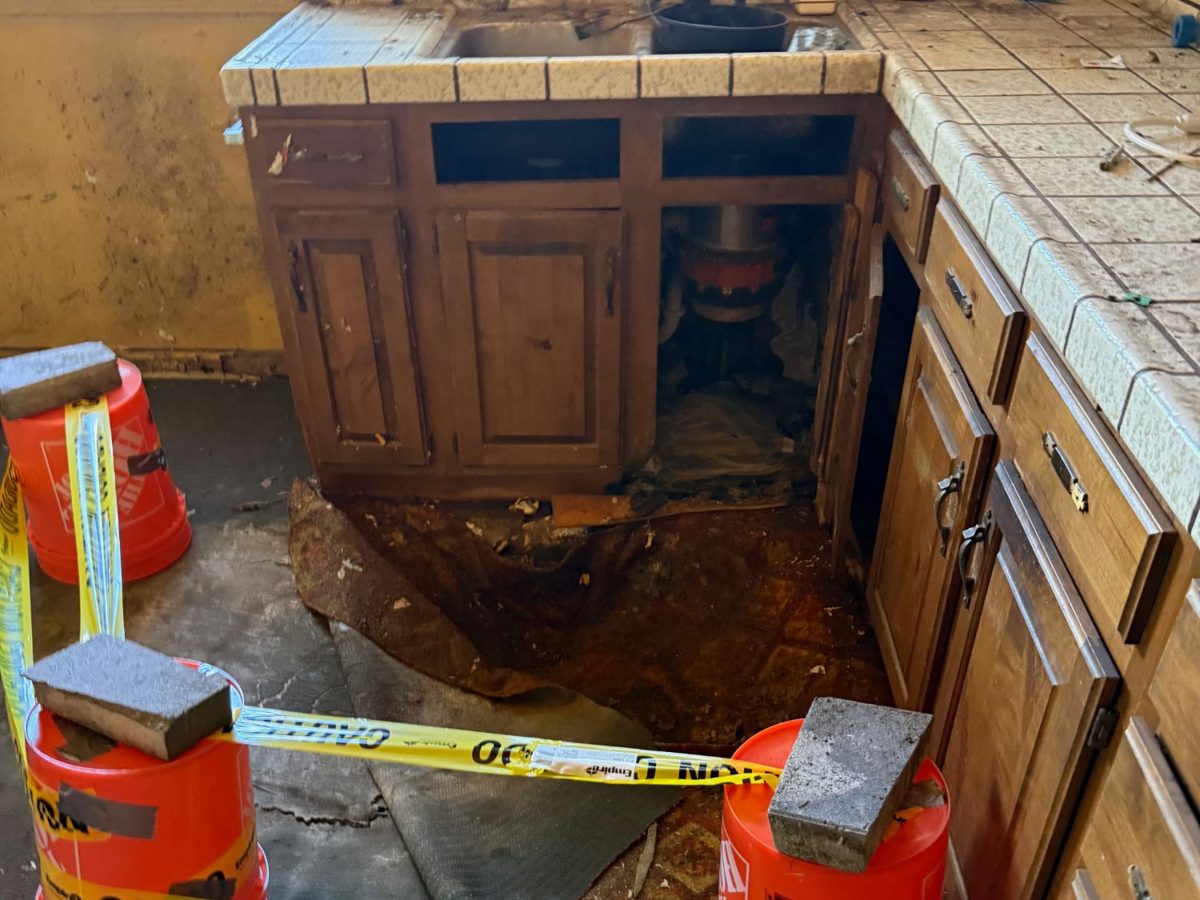
Once you know who can sell and everyone’s on the same page, you have three main options:
- Keep it: live in it or rent it out. Consider the property-tax reassessment, repairs, and the work of being a landlord.
- Fix it up and list it with an agent. If the house is in good shape, or the family has the time, money, and energy for repairs, listing on the open market will often bring the highest price.
- Sell it as-is. If the house needs significant work, if heirs live far away, or if the family simply wants a clean, predictable exit, selling as-is to a direct buyer trades some price for speed, certainty, and a lot less work.
There’s no single right answer. We’d honestly encourage you to compare: get a sense of what the house would sell for fixed up, subtract the repairs, commissions, holding costs, and months of time, and compare that with an as-is offer. Our Cash Offer vs. Listing guide walks through that comparison.
Step 6: Deal With the Belongings

Decades of belongings can be one of the most overwhelming parts of an inherited house, emotionally and physically. (If the house is packed floor to ceiling, see our guide on how to sell a hoarder house.)
Take your time with what matters: photos, keepsakes, important papers, anything with family meaning. Beyond that, you don’t necessarily have to empty the house yourself. When we buy an inherited home, we tell families: take what you want, and leave the rest. We donate what we can to charity and dispose of the rest, so you don’t have to rent a dumpster or spend weekends clearing it out.
Selling an Inherited House From Out of State
Many heirs don’t live anywhere near the house they inherited. That’s common, and it’s usually not a problem.
In most cases you don’t need to travel to California to sell. Documents can typically be signed remotely with a mobile notary, and the title company handles the closing. We work with out-of-state heirs all the time.
A Situation We See All the Time
(This is a typical scenario based on the patterns we see most often, not one specific family.)
Three siblings inherit their parents’ home. Two live out of state. The house hasn’t been updated in thirty years, and it’s full of belongings. The sibling who lives nearby has spent months handling everything and is exhausted. Nobody can afford the repairs, and a disagreement about price is starting to strain the family.
In a situation like this, the path forward usually looks like: confirm who has authority to sell (trustee or administrator), get an honest sense of the house’s value as-is and fixed-up, talk openly as a family about goals, and then choose the option that gets everyone what matters most, whether that’s the highest price, the fastest close, or simply an end to the stress. Sometimes that’s listing. Often, when the house needs heavy work and the family is spread out, it’s an as-is sale.
How We Help Families With Inherited Houses
If selling as-is makes sense for your family, here’s how we work:
- We buy directly from trustees and court-appointed administrators, and we work alongside probate attorneys and title companies.
- No repairs and no cleanout required. Take what you want; we’ll handle the rest.
- Out-of-state heirs welcome. Most of the signing can happen remotely.
- Flexible timing. Once the legal paperwork is in order, we can close in as little as 7 days, or on whatever date works for your family.
- No commissions, and we cover the typical closing costs.
- We’ve bought more than 100 inherited and probate homes and have been buying houses in California since 2003.
You can see our process on the How It Works page, read reviews from past sellers, and learn more about us. If you’re comparing buyers, our guide to questions to ask a cash home buyer is a good place to start.
Common Mistakes Heirs Make
- Letting money come between family members. This is the one we see most, and the one that costs the most.
- Letting the house sit. Vacant homes still cost money in taxes, insurance, utilities, and upkeep, and they can be targets for break-ins or damage.
- Skipping professional advice. A probate attorney and a tax professional can save you far more than they cost.
- Pouring money into repairs without a plan. Some repairs pay off; many don’t. Compare before you spend.
- Not comparing options. Get a real sense of the listed price, the as-is value, and your actual net before deciding.
Frequently Asked Questions
Often, yes. Once the court has appointed an executor or administrator and given them authority to sell, the house can usually be sold as part of the probate process. The whole estate doesn’t need to be closed first. Depending on the level of authority granted, the sale may need court confirmation. A probate attorney can tell you what applies in your case.
California has no inheritance or estate tax. For federal capital gains, an inherited home’s tax basis generally steps up to its market value at the date of death, so selling fairly soon after inheriting often results in little or no gain. Everyone’s situation is different, so confirm with a tax professional.
Co-owners generally need to agree on a sale. Talking through everyone’s goals, getting an objective valuation, and recognizing the sibling who’s done the most work can help. If co-owners truly can’t agree, a court-ordered partition sale is possible, but it’s slow and costly, so most families are better off reaching an agreement.
Yes. In most cases you don’t need to travel to California. Documents can usually be signed remotely with a mobile notary, and the title company handles the closing.
Not if you sell as-is to a buyer who handles it. When we buy inherited homes, families take what they want and we donate what we can and dispose of the rest.
Talk to Someone Who’s Done This Before
If you’ve inherited a house in California and aren’t sure what to do next, we’re happy to talk it through, even if you’re not ready to sell. We can give you a free, no-obligation cash offer so you have a real number to compare against your other options, with no pressure to accept.
Call Lawrence at (510) 824-8710, or request your free cash offer online.