By Lawrence Irby, Bay Area House Buyers. Buying Bay Area homes since 2003. Updated November 2026.
Before you sell a house in California, you generally need working smoke alarms, carbon monoxide devices where required, a braced water heater, and a written disclosure about older high-flow plumbing fixtures. Most of these are inexpensive, and your city may add its own point-of-sale rules on top.
These small items catch a lot of sellers by surprise, especially when the house has been a rental or belonged to a parent. We've been buying Bay Area houses since 2003. We're not attorneys or inspectors, so use this as a checklist and confirm the details with your escrow officer, agent, or city.
Do You Need Working Smoke Alarms to Sell a House in California?
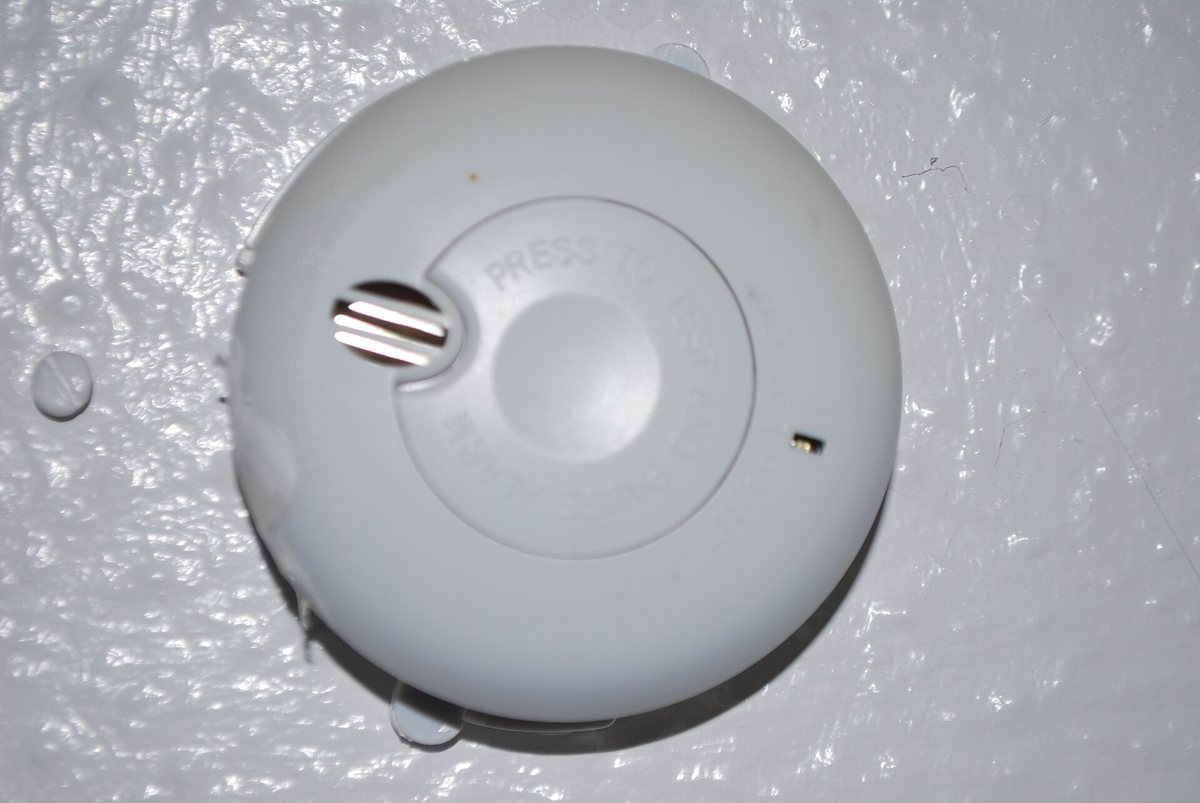
Yes, for most sales of single-family homes. Under Health and Safety Code 13113.8, every single-family dwelling that's sold (the statute includes one- and two-unit homes) must have an operable smoke alarm, approved by the State Fire Marshal at the time it was installed. The seller also gives the buyer a written statement that the house complies. That statement is often part of the purchase paperwork.
The same section lists transfers that are exempt, including certain court-ordered and probate sales, transfers by a fiduciary administering an estate or trust, transfers between co-owners, and transfers to a spouse or certain relatives. If you're an executor or trustee, ask escrow which apply to you.
What About Carbon Monoxide Detectors?
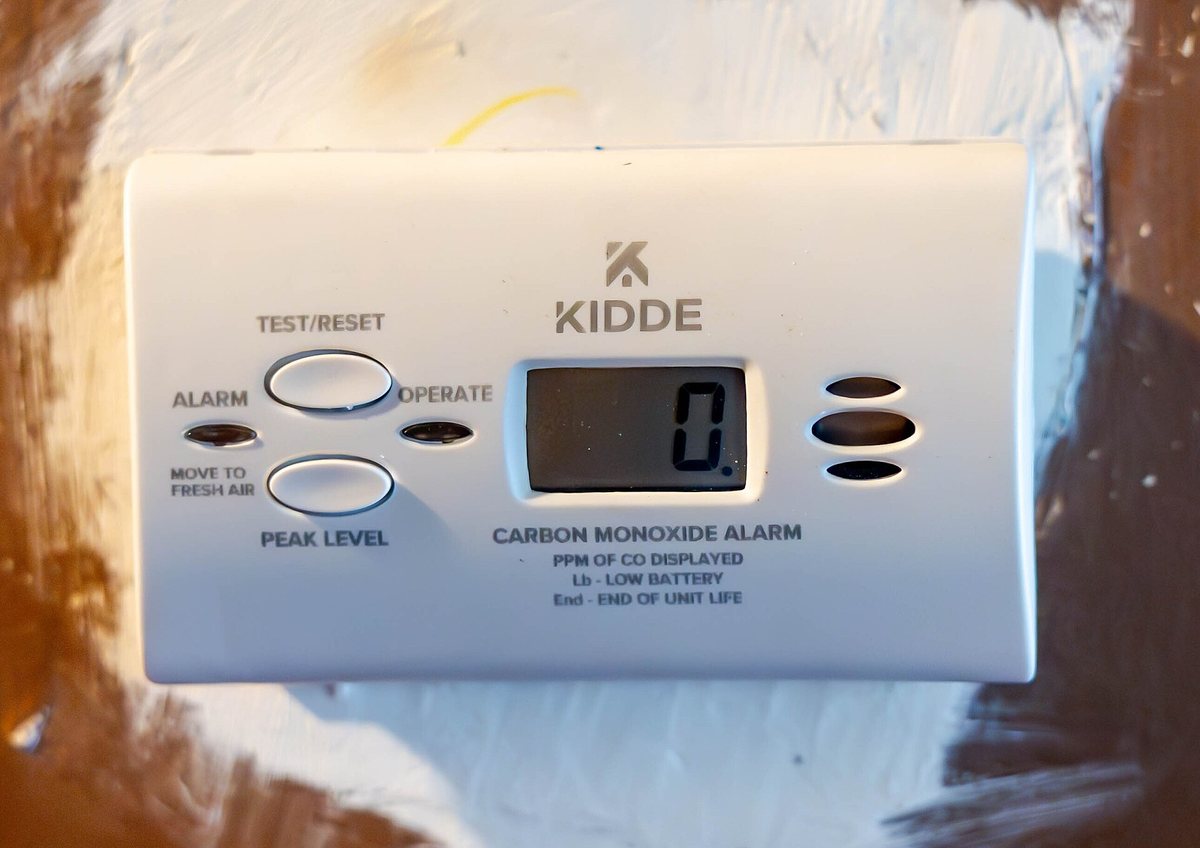
Health and Safety Code 17926 generally requires the owner of a home with a fossil fuel heater or appliance, a fireplace, or an attached garage to have a carbon monoxide device approved by the State Fire Marshal. In practice that covers most Bay Area houses with a gas furnace, gas stove, gas water heater, or a fireplace. Follow building standards or the manufacturer's instructions on how many to install and where. Buyers and inspectors commonly check for them.
Does the Water Heater Have to Be Strapped?
Yes. Under Health and Safety Code 19211, water heaters must be braced, anchored, or strapped to resist falling or moving in an earthquake, at a minimum as the California Plumbing Code requires. The seller has to certify in writing to the buyer that this has been done. That certification can go in documents you're already signing, such as the transfer disclosure statement or the purchase contract.
Strapping kits are inexpensive, but a plumber can make sure it's done to code, especially if the water heater is old or in a tight closet.
What Are the Low-Flow Plumbing Fixture Rules?
This one surprises people. For single-family homes built and available for use on or before January 1, 1994, Civil Code 1101.4 required owners to replace noncompliant plumbing fixtures with water-conserving ones by January 1, 2017. Under Civil Code 1101.3, noncompliant fixtures include:
- Toilets that use more than 1.6 gallons per flush
- Showerheads that flow more than 2.5 gallons per minute
- Interior faucets that flow more than 2.2 gallons per minute
When you sell, you generally have to disclose in writing the replacement requirement and whether the house still has any noncompliant fixtures. If you pull permits for remodeling work, the building department may also require the fixtures to be replaced before it signs off.
Are There Other Point-of-Sale Requirements?
Often, yes, and they depend on the house and the city:
- Sewer laterals. Some East Bay cities and districts require a sewer lateral inspection or certificate when you sell. Our sewer lateral inspection guide explains it.
- Older homes. Houses built before 1960 come with an earthquake safety booklet and disclosure; see our guide on selling an older house that needs a seismic retrofit. Homes built before 1978 have lead paint disclosure rules.
- Hazard zones. The natural hazard disclosure covers flood, fire, and earthquake zones, and homes in high fire hazard areas have extra defensible space paperwork.
- Local ordinances. Some cities have their own resale inspections or reports. Call your city's building or planning department to ask.
What if You're Selling As-Is?
Selling as-is means you're not making repairs for the buyer. It doesn't automatically remove these legal requirements, which mostly apply to the sale itself. The good news is that smoke alarms, CO devices, and water heater straps are usually quick, low-cost fixes, and the fixture rule is mainly a disclosure. If the house needs bigger work too, our guide on selling a house that needs repairs can help you decide what's worth doing.
Your options:
- Handle the small items, then list. Usually the simplest path and the best price if the house is in good shape.
- List as-is with full disclosures. Buyers will factor in what they'd change.
- Sell as-is to a cash buyer. If the house needs more than a few fixes, a direct sale can be simpler. With us, there's no commission, we cover typical closing costs, there's no lender appraisal, and we don't renegotiate over small or expected findings. If you can't get to the small items before closing, tell us and we'll work through it with escrow.
When a Cash Sale Isn't the Best Option
If your house is in good shape and the only open items are a couple of smoke alarms and a water heater strap, a cash sale probably isn't your best move. Take care of the small things and list with a good local agent; you'll often get a higher price. A cash sale tends to make more sense when these items are part of a longer list of repairs, the house is vacant or inherited, or you need a simpler timeline.
Frequently Asked Questions
Generally yes. Single-family homes sold in California must have an operable smoke alarm, and the seller gives the buyer a written statement of compliance. Some transfers, such as certain probate and trust sales, are exempt.
Homes with a fossil fuel heater or appliance, a fireplace, or an attached garage generally must have carbon monoxide devices. That covers most homes with gas appliances.
Yes. California requires water heaters to be braced, anchored, or strapped for earthquakes, and the seller certifies in writing to the buyer that it's been done.
For homes built on or before January 1, 1994, owners were required to replace noncompliant fixtures by 2017, and sellers must disclose whether any remain. Ask your agent or escrow how to handle any that are still there.
Generally yes. The rules apply to the sale, not the type of buyer, though some transfers like certain probate and trust sales are exempt from parts of them. Ask your escrow officer which apply.
Find Out What Your House Is Worth As-Is
If your house needs more than a few small fixes and you'd rather sell it as-is, we're happy to give you a free, no-obligation cash offer so you can compare. Call Lawrence at (510) 824-8710 or fill out the form below.